

articles
Critical Safety Tips for Officers in the Field
Mar 18, 2026
In this article
Share
Officer safety is a cornerstone of effective response. When officers are protected, they can stay focused, make better decisions, and resolve situations with less risk to everyone involved.
First responders are used to working under pressure. High-stakes situations are part of the job. But familiarity with pressure doesn’t eliminate risk. That’s why agencies need clear, repeatable strategies that help officers prepare for the realities of the field, not just react to them.
The work starts before an officer arrives on scene. It starts with mental readiness, stress management, and basic practices that reduce uncertainty and improve control. When agencies treat preparation as part of the response, officers show up more focused, aware, and equipped for what’s ahead.
In this article, we’ll break down how to keep officers safe in the field. Plus, how real-time intelligence can help reduce uncertainty in the field.
Take Care of Your Mental Health
You have to take care of yourself before you can take care of others. It’s the same logic as putting on your oxygen mask first on a plane. First response requires clear thinking, steady breathing, and good judgment—especially when adrenaline is high.
Prioritizing your mental health before a shift helps reduce distraction and improves focus. When stress, trauma, or anxiety is unaddressed, it can show up as tunnel vision, impatience, or slower decision-making. That’s not a character flaw. It’s a human response to a hard job.
Here are a few practical ways to set yourself up for success:
- Get the right amount of sleep the night before. At least seven hours is recommended.
- Talk to a mental health professional or a trusted confidant.
- Exercise before or after work to burn off stress.
- Use a quick reset routine: box breathing, a short stroll, walking barefoot in your yard, or a 60-second body scan.
- Maintain a simple decompression habit after each shift, like journaling or a cooldown stretch.
When you intentionally manage stress, you show up more present. That helps you protect your community and yourself.
Always Have a Backup
Most agencies already preach “wait for cover.” Backup is standard practice. Using it well is what reduces risk.
When a call feels routine, it may be tempting to rush in and treat cover like a formality. But backup changes what you can do before contact. It gives you the bandwidth to slow down, assess the situation, confirm roles, and make more informed decisions.
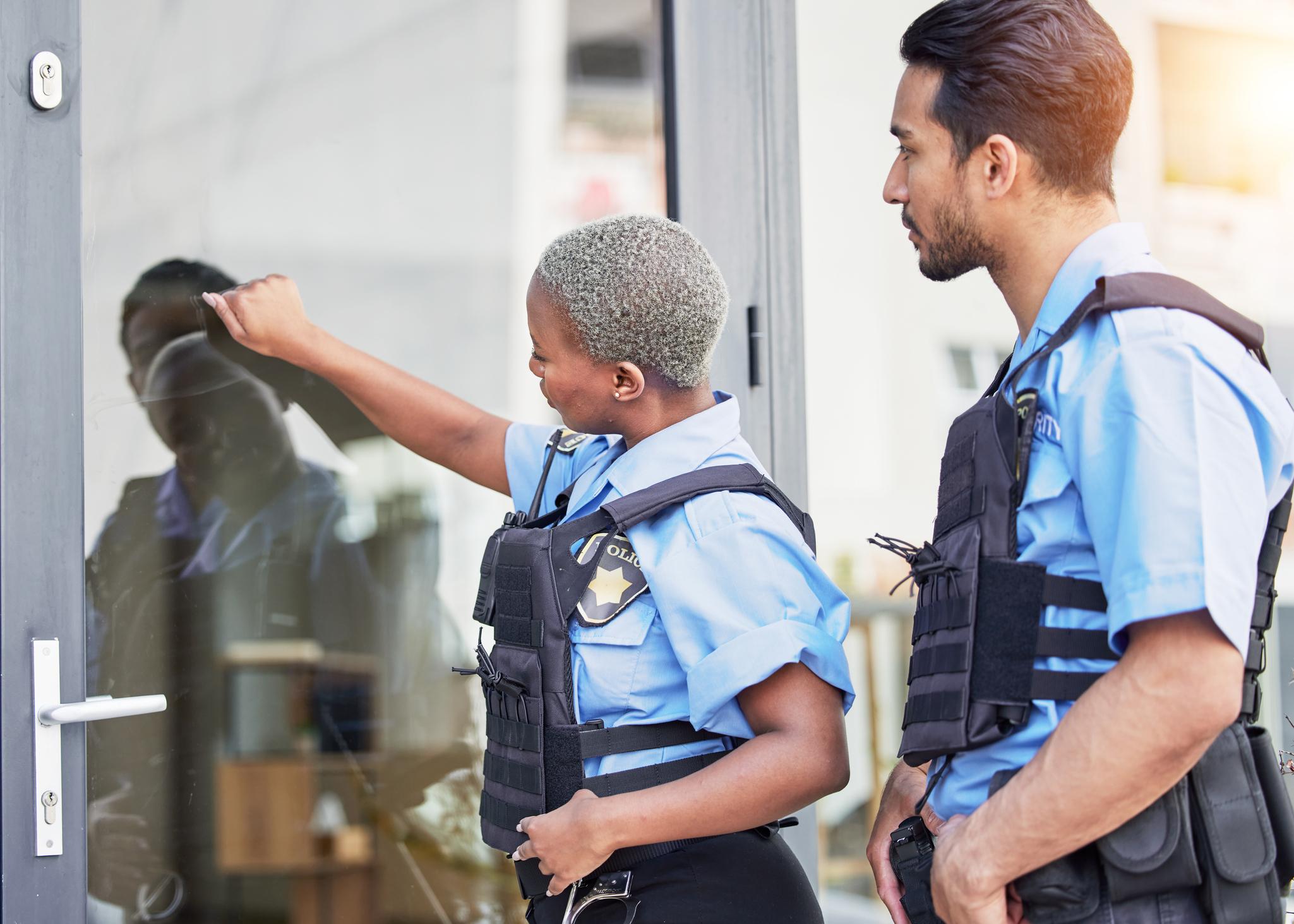
It also improves control once you are on scene. One officer can make contact with the subject. The other can stand off-angle, watching hands, movement, and environment. Separating tasks reduces blind spots when the situation is still forming.
Two officers can also manage multiple subjects, separate witnesses, and maintain safer positioning. It’s easier to secure the scene, keep eyes on exits, and respond if the situation escalates.
In high-stakes situations, more support means more options, and more options means less risk.
Reducing Distractions to Mitigate Risk
Distractions increase officer vulnerability. When attention is split between radio traffic, bystanders, devices, and the primary contact, risk rises quickly. High-stakes situations demand full awareness, and even small lapses can change how an encounter unfolds.
According to an FBI Officer Safety Awareness Training (OSAT) study, 64% of interviewed officers emphasized the importance of situational awareness. Nearly 46% highlighted the importance of minimizing distractions and focusing on the greater task.
These results align with what many officers already know. The more distracted you are, the easier it is to miss a cue or a changing threat.
To mitigate risk, start with positioning. Seek a stance and location that reduces backside exposure and limits blindside approaches. Scan your environment continuously, not just once. The goal is to keep your full attention on the job without giving up tactical advantage.
Preparation helps too. Before arrival, surveying the area with map-based data can improve situational awareness. With CentralSquare FirstTwo, agencies can turn floor plans, camera data, LPR hits, and other intelligence into digital map pins—giving officers the necessary context to take decisive action in the field.
Leave Your Cams On
Body cams and dash cams exist to protect officers and citizens alike. For the public, cameras promote transparency and can increase trust when facts are disputed. For officers, they provide objective documentation of what was said, what was done, and what the scene looked like in real time.
Keeping your body-worn camera on protects you on scene and after the incident. It supports accurate reporting, reduces reliance on memory under stress, and documents key details that may be questioned later. In critical events or complaints, video can show that you followed protocol and used appropriate tactics.
Your dash camera matters before you ever make contact. It records the approach, the environment, and vehicle activity leading up to the stop or call. That context can clarify timelines, capture unsafe driving or suspect behavior, and document the conditions that shaped your decisions before you stepped out. Camera use is a simple habit that boosts accountability and protection.
Real-Time Data Intel
Officer safety improves when there are fewer unknowns going into a call. FirstTwo by CentralSquare delivers real-time intelligence before, during, and after response. It helps public safety agencies turn disconnected data into situational awareness. Instead of searching multiple systems or relying on radio relays, officers can quickly access map-based intelligence in the field.
Here are some of the key benefits of FirstTwo:
- Allow officers to access mission-critical information from any mobile device.
- Assess risk before arriving on the scene.
- Build emergency response plans that improve officer and community safety.
- Connect data across systems and workflows to reduce silos and improve coordination.
Ready to increase officer safety? Sign up for a free trial today to see how FirstTwo can help protect your agency with revolutionary data insights.

This website uses cookies to ensure you get the best experience on our website. By continuing on our website, you expressly consent to our use of cookies, Privacy Policy and Terms of Use. To find out more about how we use cookies, please see our Privacy Policy.