

articles
How Fairbanks, Alaska Expanded Its 911 Workforce Through the Cloud And What It Could Mean for Government Talent Acquisition
Jun 04, 2026
In this article
Share
By Denise Hemke, Chief Product Officer, CentralSquare
Every year, Americans make roughly 240 million 911 calls. According to the Federal Communications Commission, improving location accuracy enough to shave one minute off response times could save as many as 10,000 lives per year. The urgency is clear. The challenge is just as real.
Emergency communication centers across the country are doing more with fewer people. A staffing survey by the International Academies of Emergency Dispatch and the National Association of State 911 Administrators found that U.S. emergency communication centers carried an average vacancy rate of around 25% between 2019 and 2022. One in four dispatcher positions stayed vacant. Some centers reported vacancy rates above 50%. The shortage cuts across every type of community, urban and rural alike.
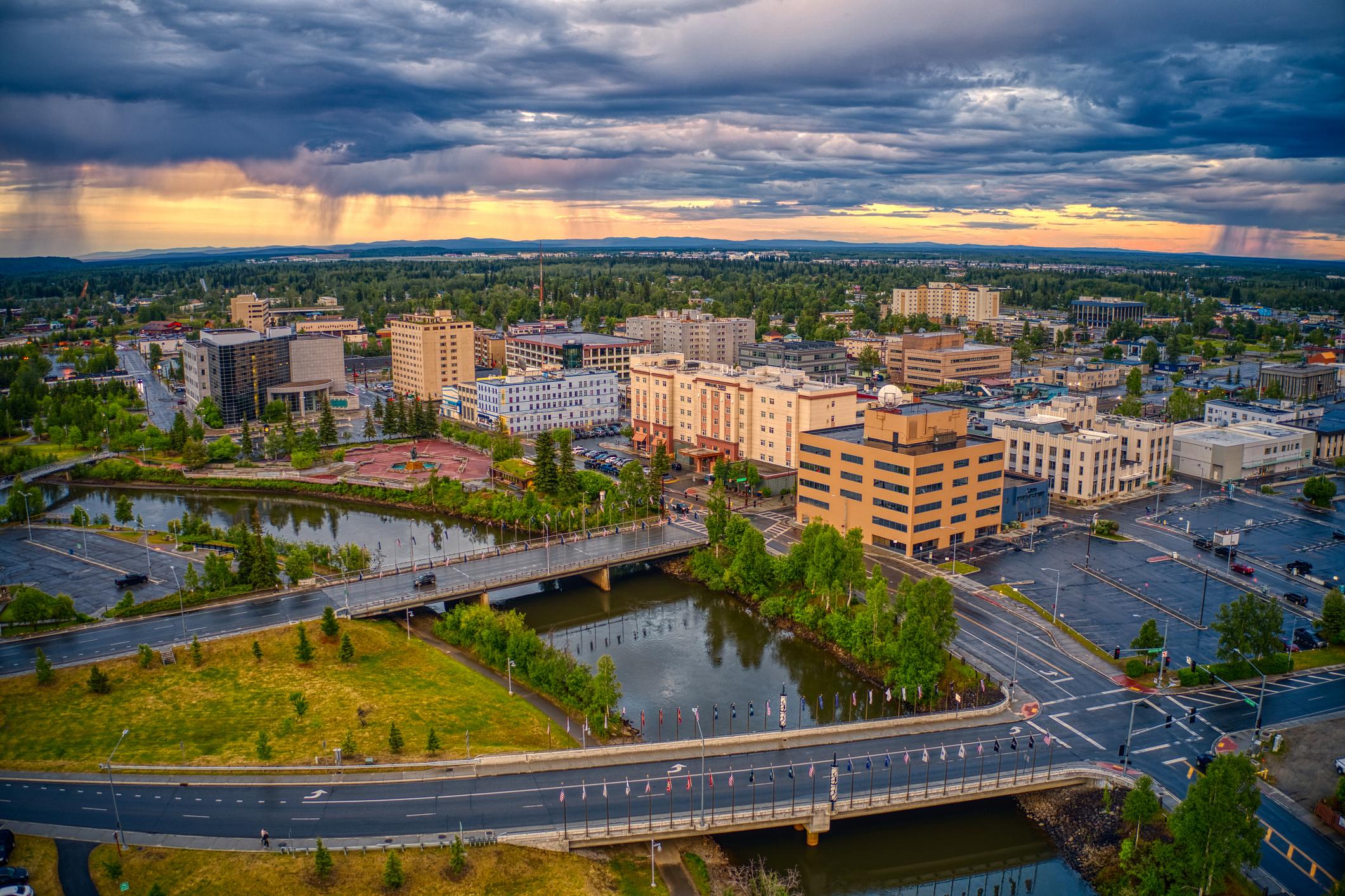
For Fairbanks Emergency Communications Center in Alaska, those national trends arrived with local intensity. The center supports 22 emergency response agencies across an area roughly the size of Maine. For years, it operated on traditional on-premise systems that left it exposed to power failures, severe weather, and seismic activity. A major earthquake and several weather-driven outages each forced the center offline for hours. When the workforce is already stretched thin, infrastructure failures compound the pressure on every dispatcher still at the console.
Fairbanks recognized that these outages pointed to a deeper infrastructure problem, and the center partnered with CentralSquare Technologies to move its Computer Aided Dispatch system to ONESolution Cloud, supported by Amazon Web Services. The move shifted server maintenance, cybersecurity, and system updates to a fully managed environment and gave the center the ability to run dispatch operations securely from any location. Operations could continue even when severe weather or seismic events disrupted the physical building.
A Remote Operation That Started with One Person
The cloud transition opened a door no one had planned for. During the COVID-19 pandemic, Dispatch Manager Kristi Merideth was sent home with a laptop while dispatchers remained on site. She proved she could oversee operations effectively from a distance, handling technology management and staff supervision without being in the room. When she later relocated to Idaho with her family, she proposed continuing her role remotely. Fairbanks agreed, and she became the first person to run the center from out of state.
The technology made it work. Kristi could dispatch calls, join live communications, and manage staff exactly as she had from the Fairbanks building. Cameras and audio links in the center gave her full situational awareness, with the ability to hear and interact with colleagues in real time.
When leadership saw how well the model performed, they recognized it as a direct solution to their staffing challenges.
Rebuilding a Skilled Team Across State Lines
Fairbanks has trained skilled dispatchers for years. Like many organizations in rural communities, it often lost those employees to relocation, military assignments, and personal decisions. Cloud operations gave the center a way to stay connected to that workforce.
Kristi reached out to former dispatchers who had relocated. Several returned to Fairbanks remotely, now working from Florida, New Mexico, Idaho, and other parts of Alaska. Each brought years of institutional knowledge and deep training back to the center without requiring anyone to move home. In a profession facing nationwide shortages, that experience has real operational value.
The model also introduced a resilience advantage that extends beyond normal staffing. When major events occur, like earthquakes, blizzards, and emergencies, on-site staff may need to respond to personal situations, navigate unsafe roads, or move to a safer location. Remote workers can be online within minutes. During one emergency, a remote manager logged in from Idaho within two minutes of receiving an alert. Traditional staffing models depend on physical presence. Cloud-based staffing builds surge capacity into the workforce itself.
Field responders working with Fairbanks dispatchers report a seamless experience regardless of where the dispatcher is located. In one case, police officers worked alongside a dispatcher for several days before learning she was operating from New Mexico.
Resilience Built Into the System
The cloud platform strengthened Fairbanks’ ability to operate through disruptions that Alaska delivers routinely. Power failures, building evacuations, equipment outages, and natural disasters are part of the operating environment. With dispatch operations running in the cloud, the work continues even when the physical building requires evacuation. Remote staff can take over dispatching while local employees focus on immediate safety needs. The physical building is no longer a single point of failure.
Cloud systems also open remote training and mentoring. Trainers can walk new employees through protocols, monitor screen activity, share audio, and observe workflow from anywhere. That capability is especially valuable when experienced staff are dispersed across time zones, and in-person training is not practical.
What This Means Beyond Public Safety
The Fairbanks model applies across government operations. Once systems for finance, HR, permitting, payroll, or utility billing move to the cloud, agencies gain access to a national talent pool. Specialized workers can contribute without relocating, and valued employees can stay connected even after a move. Modern cloud-based platforms also help agencies manage the practical side of a distributed workforce, including workers’ compensation rules for home offices and multi-state tax reporting, reducing the administrative load that often makes remote hiring feel complicated.
The Takeaway
Fairbanks set out to solve an infrastructure problem and ended up solving a workforce problem at the same time. The city strengthened its operational resilience, expanded staffing capacity, and reconnected with experienced team members who would otherwise have been out of reach.
Every level of government competes with the private sector for skilled talent. The challenge is steeper for smaller agencies with limited local applicant pools. Cloud-based systems give those agencies a realistic path to a wider, stronger workforce. Once the work can happen from anywhere, the people who do it can come from anywhere too.
To learn how ONESolution Cloud can help your agency build a more resilient workforce, visit www.centralsquare.com/cloud-solutions.
This website uses cookies to ensure you get the best experience on our website. By continuing on our website, you expressly consent to our use of cookies, Privacy Policy and Terms of Use. To find out more about how we use cookies, please see our Privacy Policy.